
Our Journeys as a Sequence of Atomic Steps of Progression in Our Rituals
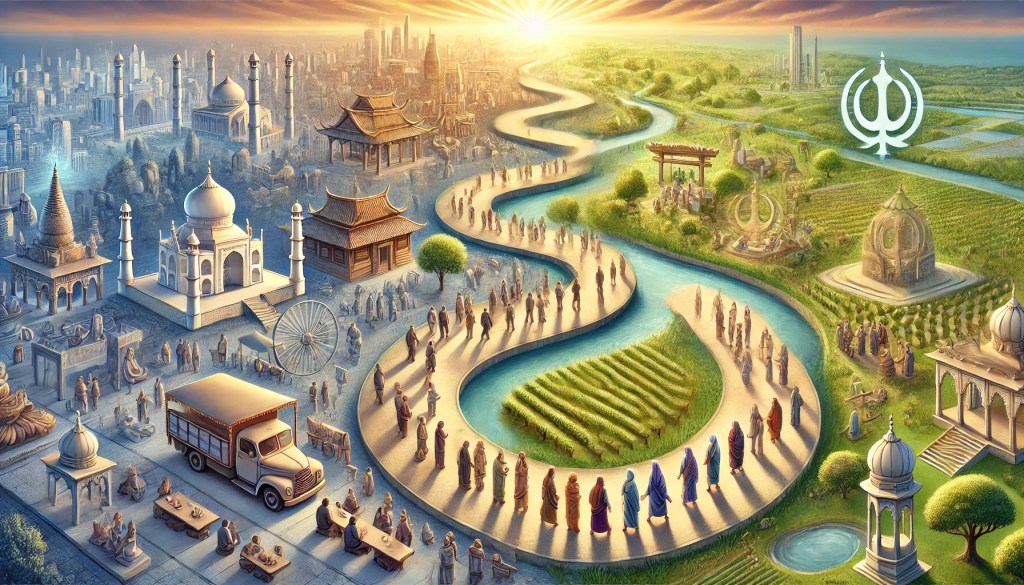
Introduction
In the context of Atomic Rituals, we explore the concept of “The Leader’s Journey”—a parallel to the Hero’s Journey, but with a focus on leadership as a transformative path. Leaders, like heroes, face challenges, crossroads, and opportunities that require courage, resilience, and reflection. This journey is not taken in isolation; it is influenced by personal values, collective dynamics, and the rituals that guide both individuals and teams.
At first glance, incorporating religious and philosophical perspectives into a discussion of leadership and business rituals may seem unconventional, or even out of place. However, there is a profound connection between the principles that guide how we live and how we work. The notion that “how we do one thing is how we do everything” underscores the idea that our deepest beliefs and values inevitably shape our actions—whether at home, in our communities, or in the workplace.
Religions and philosophies throughout history have provided guidance on how to live meaningfully, navigate challenges, and foster harmonious relationships. These teachings offer timeless wisdom on how to “be” in the world. Considering that the majority of our waking hours are often spent at work, it follows that much of the time where we express how we believe we should live and “be” is within the workplace.
While workplaces are often culturally and philosophically diverse, each of us brings our own heritage, values, and philosophies to how we show up, collaborate, and lead. Even for those who hold no religious beliefs, foundational philosophies and personal values shape decisions and behaviors. Exploring these perspectives provides an opportunity to enrich our understanding of rituals and practices that define a healthy, purposeful, and effective workplace.
For an more extensive exploring in the various beliefs and philosophies, see Human Transformation Journey.
The Case for Exploring Universal Perspectives on Rituals
- Rituals as Universal Human Practices:
- Across cultures and traditions, rituals have always been a way to bring meaning, structure, and connection to life. In the workplace, rituals serve a similar purpose, fostering alignment, building trust, and inspiring action. By exploring the wisdom of religious and philosophical traditions, we can uncover deeper insights into the nature and purpose of these rituals.
- Living Out Values at Work:
- Work is not separate from life—it is a central part of it. The workplace becomes a stage where we enact our values, such as integrity, courage, compassion, and collaboration. Religious and philosophical perspectives provide frameworks for understanding these values and how they can guide our behaviors, interactions, and leadership.
- A Diversity of Perspectives:
- In an increasingly globalized and interconnected world, workplaces are often a microcosm of cultural and philosophical diversity. Recognizing and honoring these diverse perspectives fosters inclusion and respect. It also broadens the conversation, allowing for more holistic and innovative approaches to challenges.
- Grounding Business Rituals in Broader Life Values:
- Rituals at work—whether they involve team-building, decision-making, or celebrating milestones—are most effective when they align with broader human values. Religious and philosophical traditions offer timeless insights into these values, helping to ground rituals in purpose and meaning.
Applying These Perspectives to Atomic Rituals
The exploration of religious and philosophical teachings in this book serves several purposes:
- Expanding Context:
- By tying business rituals to universal teachings, we provide a richer context for understanding their purpose and value.
- Encouraging Reflection:
- These perspectives invite readers to reflect on their own values and how they manifest in the workplace, fostering personal and professional growth.
- Inspiring Practical Wisdom:
- Many traditions offer actionable wisdom—from the Buddhist emphasis on mindfulness and balance, to the Sikh focus on service and resilience, to the Judaic call for community and responsibility. These teachings can inspire rituals that are both practical and profound.
Conclusion

The inclusion of religious and philosophical perspectives in a discussion of business rituals is not about promoting any particular belief system. Rather, it is an invitation to explore the universal values and timeless wisdom that have guided humanity for centuries. These teachings remind us that work is more than a series of tasks—it is a place where we can live out our values, build meaningful connections, and contribute to something greater than ourselves. By grounding our rituals in these deeper insights, we create workplaces that are not only more effective but also more human.
This foundation sets the stage for exploring individual and collective perspectives across diverse beliefs and philosophies, as we delve into how small, atomic steps evolve into transformative rituals in The Leader’s Journey.
I. Individual Perspectives on the Journey
Below are various views on journeys
The gifts that have perhaps helped me most on my journey are:

- Receive each setback, failure criticism as a gift to learn from.
- Perform a 5-why root cause analysis on anything you want to better understand. This can be failures, but also objectives (we believe our customers will like this … why, why, why)
- Give feedback as a gift. This allows others to receive Radical Candor as being in service of helping someone improve.
It starts with our individual journey and then our joint journey and the our careers as journeys. I also explore our responsibilities to others. Also, as individuals and companies (having traversed these journeys) we weather storms better as a result – see: Weathering Storms in the Startup Success. Knowing how to select and build a team for a collective journey is critical to its success.
Here are a few examples of perspectives on the journey of the individual:
Hinduism: The Ashramas of Life

Hinduism frames life as a series of four ashramas (stages): Brahmacharya (student), Grihastha (householder), Vanaprastha (hermit), and Sannyasa (renunciate). Each stage represents a distinct phase of personal evolution, guided by rituals and responsibilities.
- Atomic Steps in Personal Evolution:
- The Brahmacharya stage focuses on learning and self-discipline, emphasizing rituals of study, meditation, and respect for teachers.
- In the Grihastha stage, individuals perform rituals of family care and societal contribution, balancing personal ambitions with collective responsibilities.
- Later stages prioritize spiritual reflection and detachment, marked by rituals of renunciation and contemplation.
Buddhism: Walking the Noble Eightfold Path

Buddhism presents the Noble Eightfold Path as a guide for personal growth and enlightenment, emphasizing right understanding, intention, speech, action, livelihood, effort, mindfulness, and concentration.
- Atomic Steps Toward Enlightenment:
- Daily mindfulness practices serve as small, deliberate rituals that cultivate awareness and clarity.
- Right Speech and Right Action translate into rituals of ethical communication and compassionate behavior, reinforcing integrity.
New Age and Modern Spirituality: Awakening and Integration

Modern spiritual perspectives often highlight personal awakening as a journey of self-discovery and alignment with universal truths.
- Atomic Steps in Awakening:
- Journaling, affirmations, and visualization rituals align thoughts and actions, creating a feedback loop for self-awareness and growth.
- Small acts of self-compassion build resilience and strengthen personal transformation.
Mormonism: Eternal Progression

The Church of Jesus Christ of Latter-day Saints emphasizes eternal progression, focusing on character development, spiritual growth, and family bonds.
- Atomic Steps in Spiritual Development:
- Family rituals such as prayer, scripture study, and service reinforce the values of unity and faith.
- Small daily actions of kindness and forgiveness foster Christlike qualities.
Islam: Individual Submission and Discipline

Islamic teachings guide individuals through a structured journey of submission to God’s will, emphasizing rituals that balance personal growth with spiritual devotion.
- Atomic Steps in Faith:
- The five daily prayers (Salah) anchor the day in mindfulness and alignment with divine purpose.
- Ritual fasting during Ramadan builds self-discipline and spiritual awareness.
Christianity: Transformation Through Love and Forgiveness

Christianity highlights personal transformation through acts of love, service, and forgiveness, emphasizing the teachings of Jesus Christ.
- Atomic Steps in Faith:
- Rituals like personal prayer and acts of service help individuals embody Christlike love and humility.
- Daily reflection on scripture fosters moral and spiritual growth.
Kabbalah and Jewish Mysticism

Kabbalah, as a mystical branch of Judaism, views the journey as one of aligning with the divine through understanding and repairing the interconnectedness of all creation.
- Atomic Steps in Jewish Mysticism:
- Rituals like daily meditation on the Tree of Life reinforce spiritual growth and connection.
- Acts of Tikkun Olam (repairing the world) serve as steps toward universal harmony.
The Individual Journey Through the Lens of Sikh Belief

In Sikhism, individual growth is deeply tied to humility, discipline, and daily acts of devotion.
- Atomic Steps in Sikh Practice:
- Reciting Nitnem (daily prayers) anchors individuals in the divine.
- Small acts of service and kindness reinforce the Sikh values of Seva and equality.
Christian Mysticism

Christian mystics emphasize the journey inward, seeking union with God through contemplation, love, and surrender.
- Atomic Steps in Mystical Christianity:
- Silent prayer and meditation provide moments for divine connection.
- Rituals of forgiveness and love are seen as expressions of divine will.
The Sufi Journey

Sufism, the mystical branch of Islam, emphasizes love, humility, and the pursuit of divine union.
- Atomic Steps in Sufism:
- Dhikr (remembrance of God) serves as a daily ritual to foster divine closeness.
- Acts of patience and service highlight humility and interconnectedness.
The Jungian Journey

Drawing from psychology, the Jungian perspective views the journey as one of individuation—integrating all aspects of the self.
- Atomic Steps in Jungian Thought:
- Dream analysis and journaling provide insights into unconscious motivations.
- Rituals of self-reflection promote balance and personal integration.
II. Collective Perspectives on the Journey
The principles of progressing through developmental and maturing stages in various spiritual and philosophical traditions extend beyond the individual to include groups such as families, communities, and organizations. In the context of Atomic Rituals, these journeys represent shared responsibility among leaders and members to align their rituals and actions toward the collective growth of the whole.
As leaders and members of a group or organization, we engage in incremental, intentional steps that support the progress of the collective journey. These small, purposeful actions form rituals that foster unity, alignment, and a shared sense of purpose. By viewing the collective journey as a series of atomic steps, leaders and members can continuously refine their practices, ensuring that the group evolves in harmony with its values and aspirations. Here’s how these principles apply across different cultural and philosophical contexts:
Hinduism: Community and Dharma
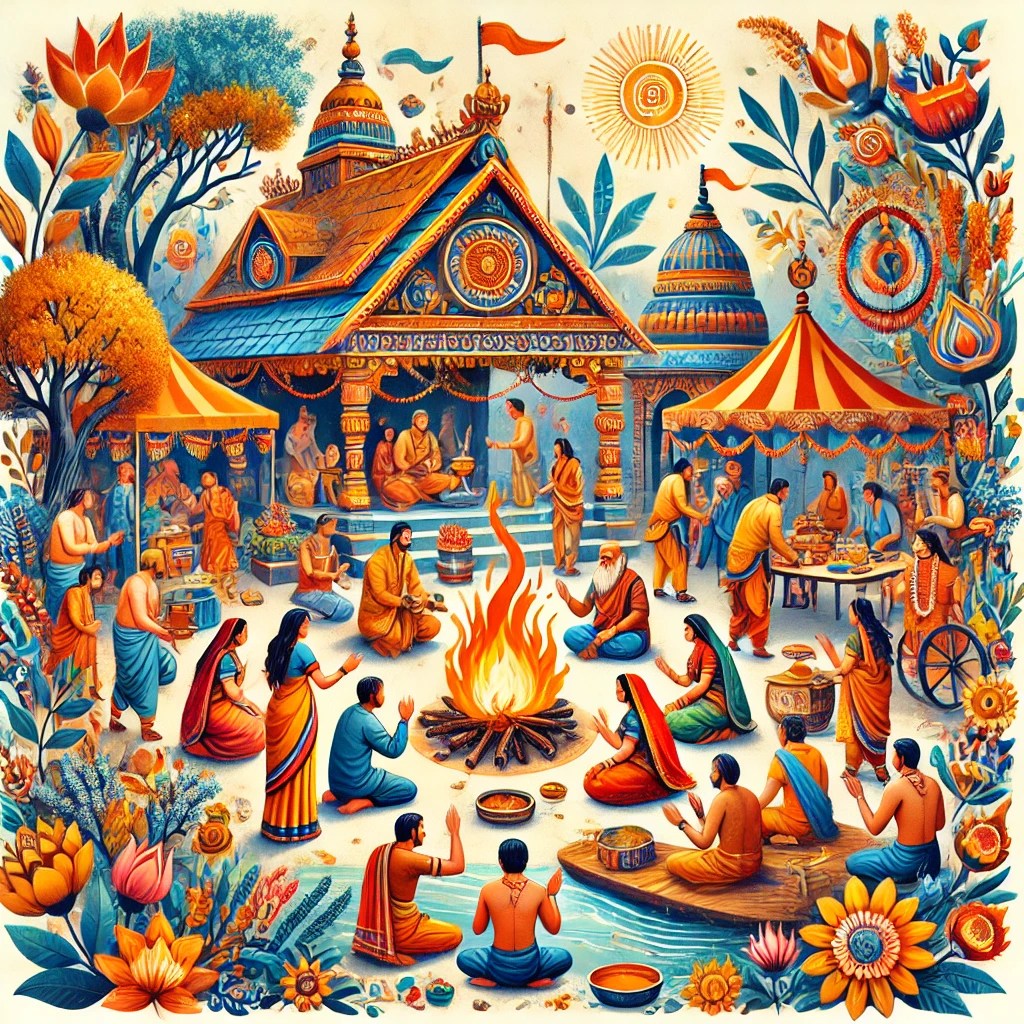
In Hinduism, the concept of Dharma emphasizes the importance of collective responsibilities and shared purpose in maintaining social harmony.
- Atomic Rituals in Community:
- Festivals and communal prayers reinforce a collective sense of duty and gratitude.
- Rituals like pujas bring families and communities together to honor shared values.
Buddhism: The Sangha as a Collective Path
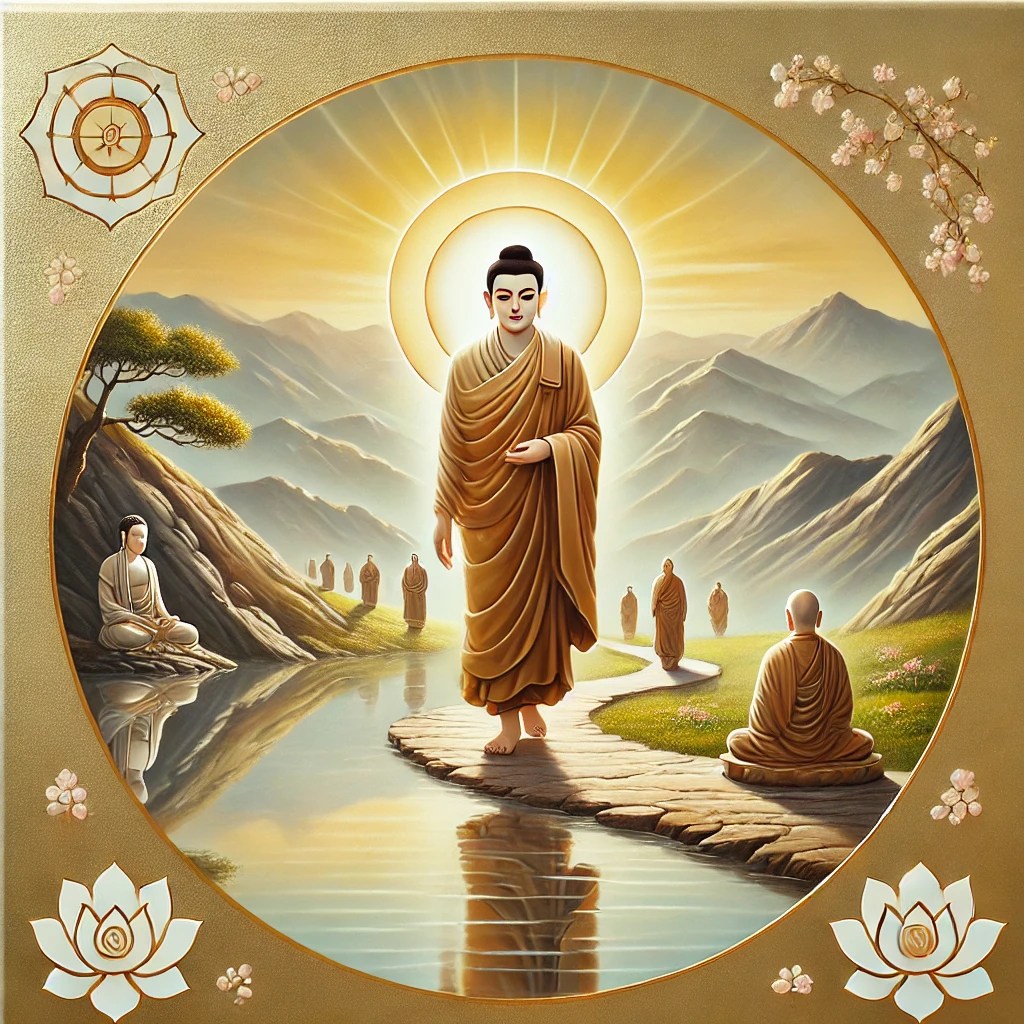
The Buddhist Sangha (community) provides a framework for shared spiritual growth, emphasizing the importance of supporting one another on the path to enlightenment.
- Collective Rituals of Support:
- Group meditation sessions create shared moments of mindfulness and compassion.
- Rituals of generosity (Dana) strengthen communal bonds.
Sikhism: The Journey of Seva
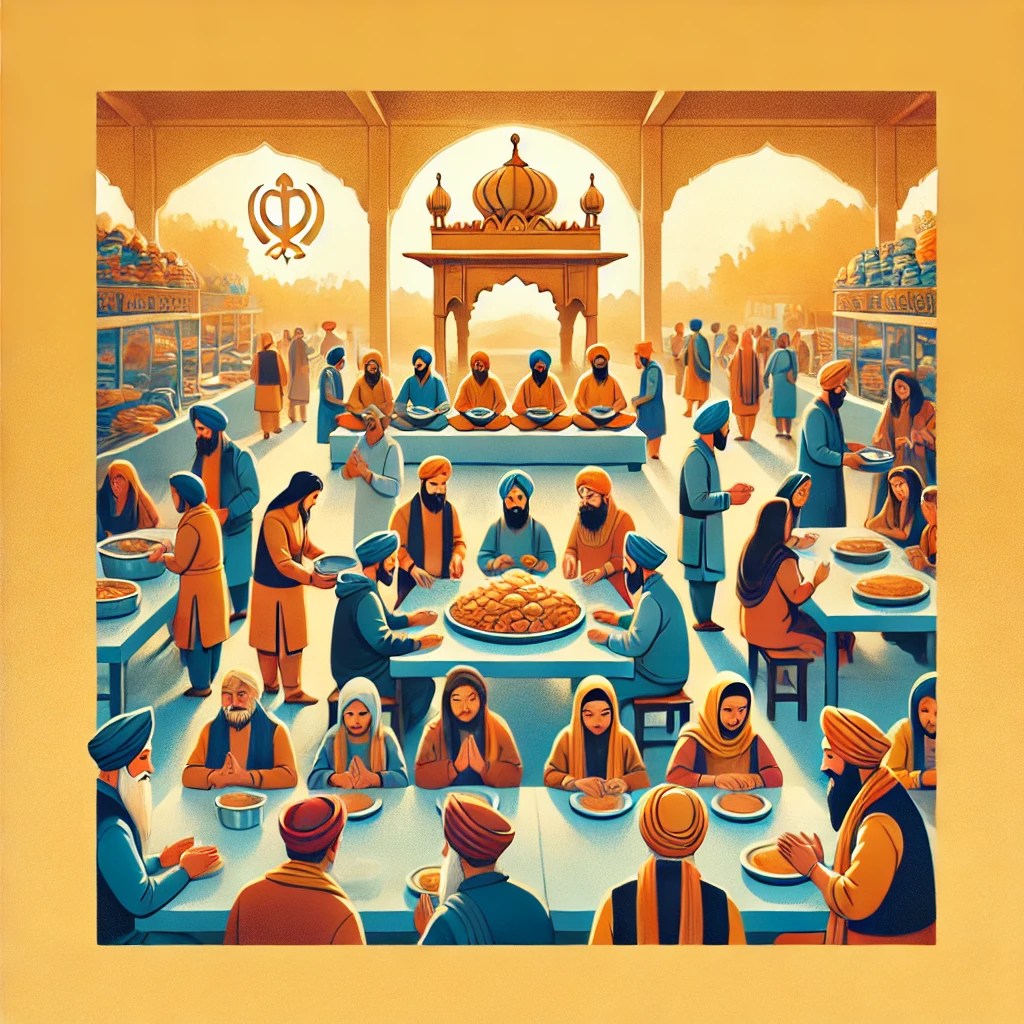
Sikhism emphasizes collective progress through selfless service (Seva) and unity, encouraging individuals to work for the betterment of all.
- Atomic Steps in Service:
- Preparing and serving food in a Gurdwara kitchen exemplifies rituals of humility and equality.
- Shared prayers (Ardas) reinforce community resilience and interconnectedness.
Islam: The Ummah and Shared Responsibility
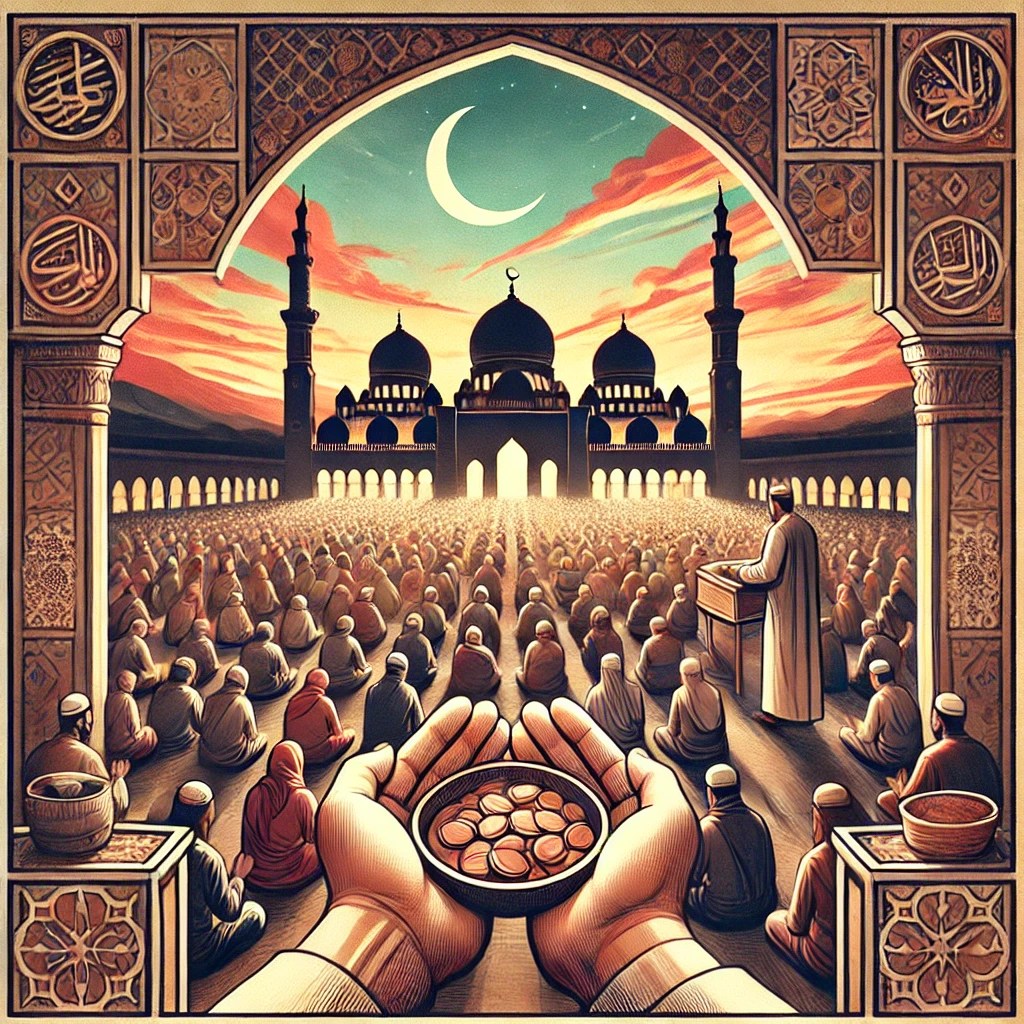
Islam highlights the Ummah (global community) as a collective journey, emphasizing compassion, justice, and mutual support.
- Rituals of Unity:
- Communal prayers during Jummah (Friday prayer) unite worshippers in shared devotion.
- Acts of Zakat (charity) strengthen the bonds of responsibility within the community.
Christianity: Building the Body of Christ

Christianity views the church as the Body of Christ, emphasizing collective worship and mutual support in the journey toward spiritual fulfillment.
- Rituals of Fellowship:
- Weekly gatherings for worship, prayer, and study foster a sense of community and shared purpose.
- Collaborative service projects embody the principle of loving one’s neighbor.
Environmental Philosophies: Collective Care for the Planet

Modern environmental philosophies highlight the interconnectedness of all life, urging collective action to protect the Earth.
- Atomic Rituals for Sustainability:
- Community clean-up drives and tree-planting initiatives serve as rituals of environmental stewardship.
- Rituals like Earth Day celebrations inspire collective reflection on ecological responsibility.
Conclusion
Our journeys, whether individual or collective, unfold through a series of atomic steps that form the foundation of evolving rituals. Across diverse beliefs and philosophies, these steps and rituals provide structure, meaning, and momentum for transformation. By embracing this universal perspective, we recognize that growth is not an isolated event but a shared and intentional process, woven into the fabric of our lives and communities.
 Atomic Rituals